
We all have that friend who doesn’t play video games, right? Maybe we are that friend — and that’s okay! It should be fun picking up a game controller for the first time and getting lost in a new game.
The only problem? So many times, introducing a loved one to video games becomes more enraging than engaging for everyone involved.
What starts off as exciting exploration can rapidly unravel into the beginner swiveling the camera around and bumping into walls. For the gamer watching, it’s a little heartbreaking to watch loot chests light up, “A” symbols appear on doors, and in-game maps spin around to reveal where to go next — all of this ignored by the new player.
But that’s just part of the learning experience. Personally, I try to let it go. For the most part, I taught myself to play games alone, so I understand a desire to figure things out and learn from mistakes.
Eventually, the new player says something along the lines of, “I’m no good at this.” Usually this comes out much too soon, in my opinion. As a huge fan of games, I could sit for hours helping a friend get used to a video game — that’s what it takes to feel comfortable with the controls and the in-game world, after all — but not all non-gamers have that kind of attention span for games. And I can understand why. At first, it’s hard enough just moving a character around a 3D game; having random wolves attacking and trying to get the hang of map-reading can feel overwhelming.
And I’ve been on the other side of things, too. I distinctly remember trying to play a Halo game with a friend several years ago, before I got into gaming. We were playing co-op, and I was playing as my friend’s husband’s character. I couldn’t control the camera angle, I didn’t know who the enemies were, I fired at everything, and eventually my friend had to pause the game and play for me to get us to the next part of the game. I don’t think they saved my progress (if you can even call it that).
Of course, sometimes trying to introduce a non-gamer friend to video games is a lost cause. Video games aren’t for everyone, after all. But I also think that plunging a new player into a complex game packed with action is asking for failure. Many times, the problem is not with the gamer’s “backseat driving” (or lack of it) or with the new player supposedly not being good — the game just offers too much all at once.
That’s why I believe the first and most important step in getting a newcomer into gaming is choosing a smart introductory game. Here are some of my beginner-friendly picks.
A Short Hike
BEST FOR: Quiet exploration in a beautiful landscape with simple mechanics

If you want peaceful exploration in a beautiful landscape, A Short Hike is the perfect first game (or second, or hundredth!). In this game, you’re just… taking a hike. Choose any path, discover treasures, fish and swim and meet other hikers in gorgeous nature. It really does feel like taking a hike — but you get to learn game controls along the way.
Portal 2
BEST FOR: Playing with a friend, solving puzzles, and having a laugh

I can’t praise Valve’s Portal games enough, but now I have a new angle: they’re not only fun and rewarding, they’re beginner-friend too!
I recently introduced Portal 2 to my sister, who is not a gamer, and she enjoyed it. Aside from occasionally falling off a ledge or being blasted by adorable turrets, the Portal games are not intimidating. They give you lots of breathing room to play with controls and work out the puzzles — perfect for a beginner. Plus, they have tons of personality and humor to keep the mood light.
Gamers and their newbie friends can also play Portal 2’s co-op campaign. That should make all of the “backseat driving” seem less annoying. It might even level the playing field, as you’ll be solving puzzles together.
Journey
BEST FOR: A quiet, beautiful experience where you can go as slow as you want

Journey by Thatgamecompany is special because it’s simple. It’s also moving and moody and beautiful enough to draw anyone in.
The mechanics are this: move your character, roll down the occasional hill, take flight once in a while. Simple button presses, simple joystick maneuvering.
The fact that Journey’s landscape is so vast and unpopulated makes it a very calm environment for a new player. It’s also a gorgeous game for learning how to navigate a playable character across a rendered landscape. This is one where a new player can take their time exploring this stunning desert world, with no combat, just vibes.
Limbo
BEST FOR: Trying traditional 2D mechanics with a more experienced gamer friend

Limbo, the black-and-white, puzzle-platform game by Playdead, is a breeze to play — and it’s remarkably stylish, too. Because Limbo is a 2D sidescroller, it’s easy to propel your character across the screen. Using simple controls, you can make your character jump over a gap or pull an object around.
Though you’re bound to be crushed by a giant rock or fall into a pit of thorns once or twice — or several times — it’s hardly discouraging. Working out the little puzzles is part of the fun. It’s also easy for one person to take over where another left off, no progress lost, so newbies can play a section of an experienced gamer’s game without running into trouble.
For a newcomer to video games, this is a quiet, artistic introduction to basic game mechanics.
The Sims 4
BEST FOR: Having a laugh with low stakes and pure adrenaline

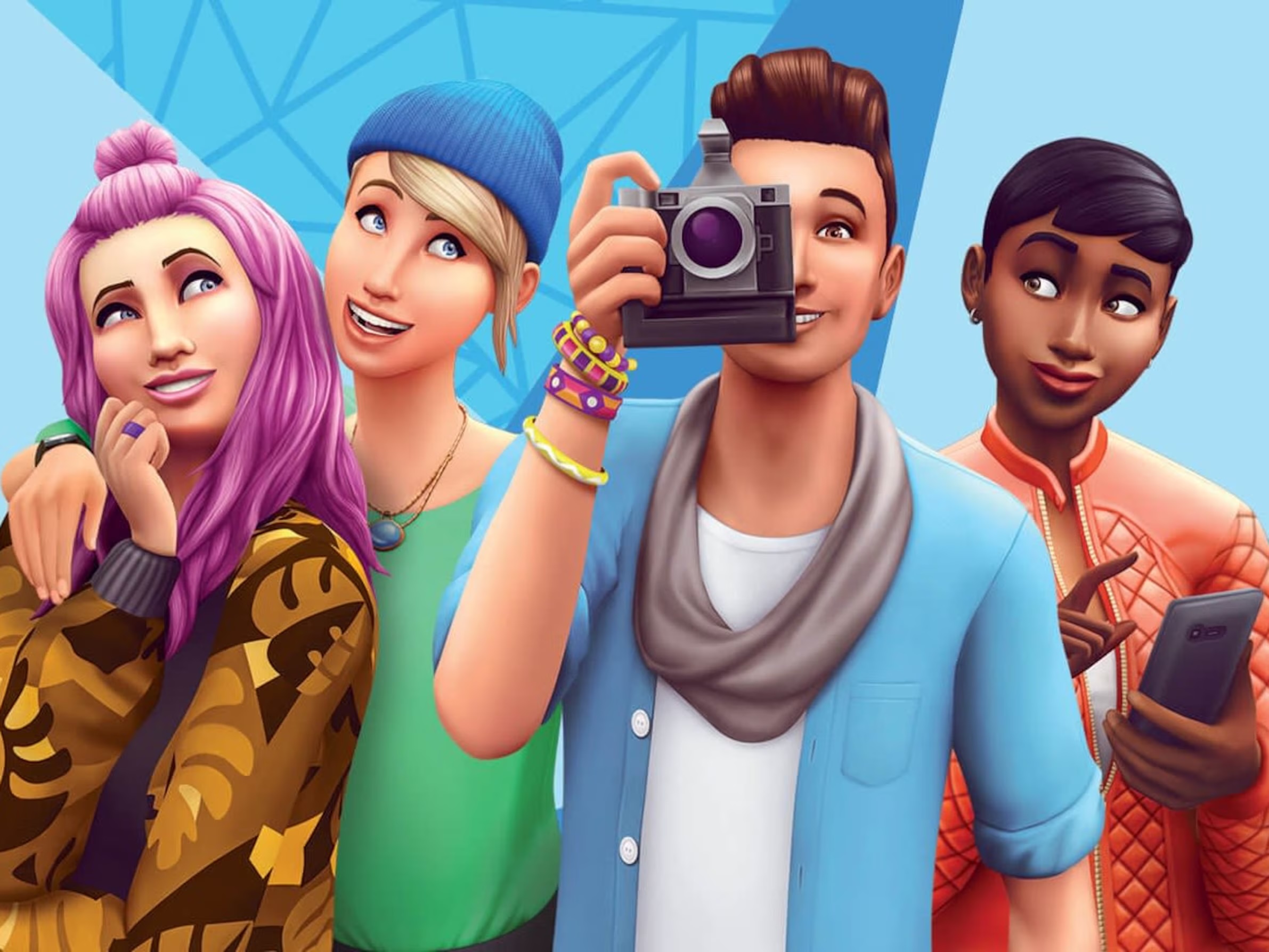
The magic of The Sims is that it hardly feels like a video game at all. I spent many moons playing it with my sister in our first apartment after college, even though neither of us were gamers yet.
The Sims is basically a simulation of our world, where you can decorate a house, find a job, get married, have kids, and set your kitchen on fire. (That last one happens a lot, okay?) It’s a fun way for a beginner to get to know some basic controls and a fantastic party game, too.
– Ashley


Leave a Reply